
Key Takeaways
- Improperly discarded household junk can pollute air, water, and soil, harming both wildlife and nearby residents
- Old electronics and batteries contain heavy metals like lead, mercury, and cadmium that are released as devices degrade and can leach into soil and groundwater when tossed out carelessly
- Sorting, recycling, and donating usable items conserve resources and cut down on greenhouse gas emissions from landfills
- Junk King San Francisco recycles, reuses, or donates up to 60% of what it hauls, a practical example of responsible disposal in action
- San Francisco homeowners and residents can protect their neighborhoods simply by learning where their junk goes after it leaves the curb
Every bag of trash, broken appliance, or pile of yard waste has a destination after it leaves a driveway. Understanding what happens next matters more than most residents and homeowners realize, since responsible disposal touches everything from local air quality to the health of nearby waterways. This guide covers where residential junk actually goes, the hidden dangers of handling it carelessly, and the practical steps that turn a cluttered garage into a win for the whole community.
Where Does Your Junk Really Go?
Old furniture, broken appliances, and bags of yard debris rarely disappear once they leave the curb. Depending on how they’re sorted and hauled, these items end up in a landfill, a recycling facility, a donation center, or, in less responsible cases, an illegal dumping site. Each path carries a very different outcome for the environment and for public health.
Landfills remain the most common endpoint for household waste, but they are far from a simple hole in the ground. Modern landfills are engineered systems designed to contain waste, yet even well-managed sites release gases and liquids that require ongoing monitoring. Choosing a disposal method that diverts items away from landfills, whether through recycling, donation, or reuse, reduces the strain on these systems and stretches their usable life for the whole region.
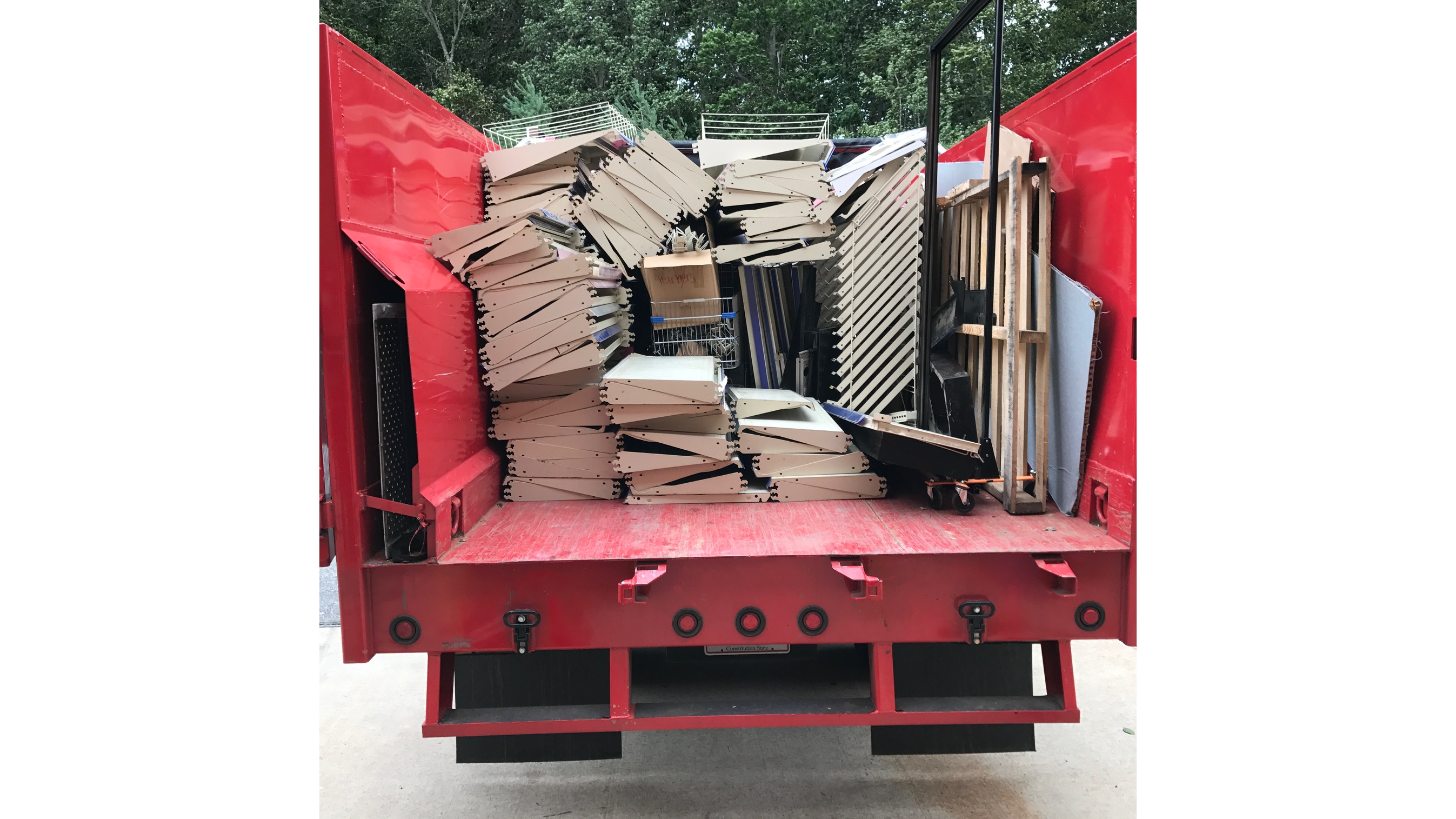
Companies that specialize in hauling residential junk, such as Junk King San Francisco, often serve as a resource for residents and homeowners trying to figure out the smartest way to part with old belongings. Knowing and identifying which items can be recycled, donated, or repurposed before calling for pickup helps ensure fewer usable goods end up buried unnecessarily.
Hidden Dangers of Improper Disposal
Tossing junk aside without a second thought might feel harmless, but the consequences can ripple far beyond a single yard or curb. Improper disposal creates risks that touch the air people breathe, the water they drink, and the health of entire neighborhoods.
Air, Water, and Soil Pollution
Open dumping releases harmful chemicals into the air and groundwater, affecting wildlife and human populations alike, as environmental agencies have reported. Soil contaminated by discarded waste can become unsuitable for agriculture, and pollutants can travel through the food chain, eventually reaching the people living nearby.
Older landfills also release methane, a potent greenhouse gas that contributes directly to climate change. When organic waste decomposes without enough oxygen, it produces leachate, a toxic liquid capable of seeping into groundwater and contaminating drinking water supplies for entire communities.
Pests, Disease, and Public Health Risks
Improperly managed waste has a way of attracting more than just bad smells. Stagnant piles of junk can become breeding grounds for mosquitoes, which are known carriers of diseases like malaria and dengue fever. Illegal dumping sites can also draw rodents and insects that spread illnesses such as leptospirosis and hantavirus to nearby residents, as public health organizations have noted.
- Standing water in discarded containers or old tires creates mosquito breeding grounds
- Rodents drawn to food waste and debris can carry disease directly into homes
- Blocked drainage systems caused by dumped waste can lead to flooding and sanitation problems in urban areas
Toxic Threats from Electronics and Chemicals
Old televisions, computers, and phones often contain lead, mercury, and cadmium. These heavy metals are released as the devices degrade and can leach into soil and groundwater if tossed in with regular trash. This is one of the more overlooked risks of everyday household disposal, since electronics rarely look dangerous sitting in a closet or garage.
Household batteries carry similar risks, containing heavy metals capable of contaminating soil and water when disposed of improperly. Paints, solvents, and pesticides pose their own threat, which is why many communities now offer household hazardous waste collection events specifically to keep these materials out of regular trash streams. In San Francisco, residents can drop off household hazardous waste (HHW) at the Recology SF Household Hazardous Waste Facility. San Francisco residents can also schedule HHW collection from their home but must be home at the time of pickup.
How Responsible Disposal Protects Communities
Understanding the dangers is only half the story. Responsible disposal offers real, measurable benefits that make neighborhoods healthier and more sustainable over time.
Cutting Pollution and Greenhouse Gases
Diverting waste from landfills through recycling and proper disposal directly reduces greenhouse gas emissions and air pollution. This shift has a real effect on regional air quality and plays a role in the broader fight against climate change. Every item recycled instead of landfilled is one less contributor to methane production and toxic leachate.
Conserving Resources Through Recycling and Reuse
Recycling and reuse also conserve natural resources by allowing materials to be recovered and put back into circulation instead of extracted fresh from the earth. Recycling one ton of paper saves 17 trees, 7,000 gallons of water, 380-463 gallons of oil, and 3 cubic yards of landfill space, a striking illustration of how much a single recycling decision can accomplish. Composting household organic waste, including yard trimmings and other compostable materials, can cut landfill contributions by as much as 30%, according to EPA estimates, while producing nutrient-rich soil for gardens, turning kitchen scraps into a genuine backyard resource.
Best Practices for Homeowners
Turning good intentions into good habits doesn’t require a complete lifestyle overhaul. A handful of consistent practices can make a measurable difference in how a household’s junk affects the world around it.
Sort, Recycle, and Handle Hazardous Waste Safely
Separating recyclable materials like paper, plastic, and metal from general trash ensures those items get processed and reused rather than buried. Hazardous waste such as batteries, chemicals, and electronics need special attention, since they can leak or spill if handled carelessly.
- Use designated collection points for batteries, electronics, and chemicals rather than regular trash bins
- Check local hazardous waste collection events for paints, solvents, and pesticides
- Keep construction debris such as old drywall or lead paint chips separate, since these can release asbestos fibers or lead particles if mishandled
Donate, Repurpose, and Get the Community Involved
Usable furniture, clothing, and appliances deserve a second look before heading to the curb. Donating these items to charities or thrift stores extends their lifespan and reduces demand for new products, conserving both resources and energy. Old furniture can often be refurbished or repurposed entirely, giving it a fresh role in a home rather than a spot in a landfill.
Community clean-up events add another layer of impact, removing litter and illegally dumped items while building a shared sense of civic pride. Getting involved, even occasionally, reinforces the idea that responsible disposal is a collective effort rather than an individual chore.
Why Professional Junk Removal Makes a Difference
Sorting, hauling, and properly disposing of large or awkward items can soon become overwhelming for a single household to manage alone. Professional junk removal services bring the equipment, knowledge of local regulations, and disposal partnerships needed to handle these items efficiently and responsibly.
Junk King San Francisco, for example, prioritizes eco-friendly disposal methods and aims to recycle, reuse, or donate up to 60% of everything it hauls. That built-in sorting process takes the guesswork out of responsible disposal for busy homeowners who simply don’t have the time to research every recycling center or donation drop-off point in the city.
Responsible Disposal Is a Shared Responsibility
No single household action solves the waste challenge on its own, but collective habits add up quickly across a city the size of San Francisco. Sorting recyclables, handling hazardous materials safely, donating usable goods, and calling on professional help when needed all contribute to cleaner air, safer water, and healthier neighborhoods. For an easy way to put these habits into practice, consider professional junk removal services that prioritize recycling and donation over the landfill.
Junk King San Francisco
+1 (415) 852-3303
1615 Polk St Unit 6
San Francisco
CA
94109
United States


