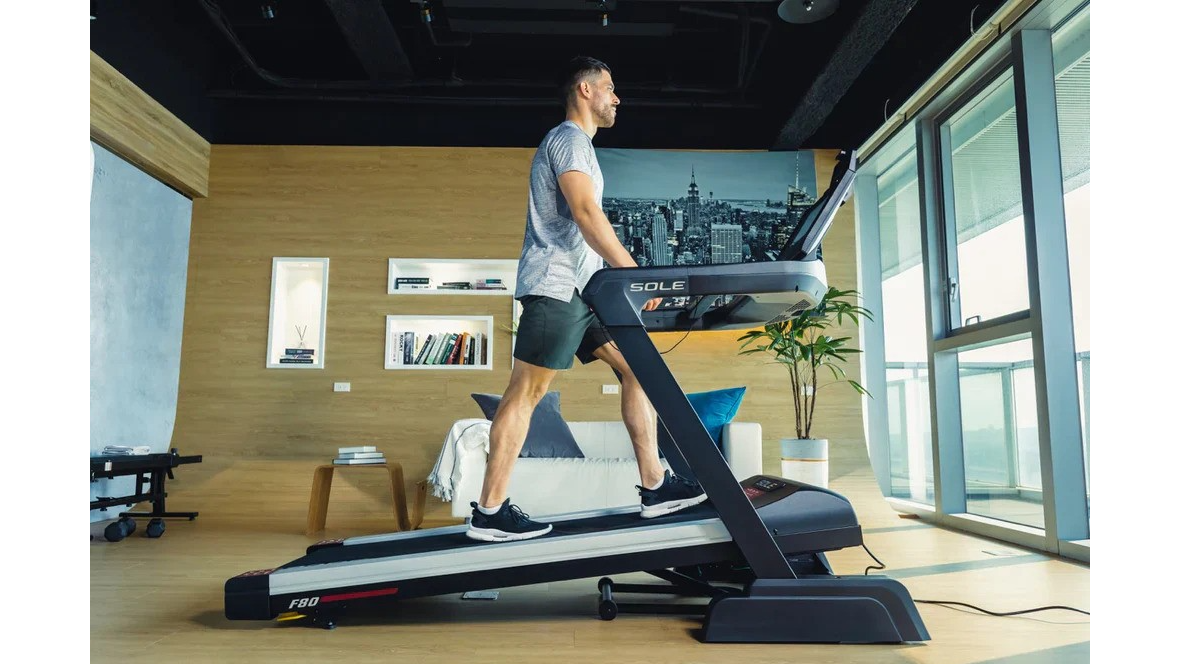

SOLE Fitness details the scientifically-backed benefits of treadmill incline settings in its newest report. Accompanying research demonstrates that incline training delivers significant cardiovascular, metabolic, and muscular advantages – and the document gathers such insights to help readers tailor their fitness approach in response.
For more information, visit https://www.soletreadmills.com/blogs/news/treadmill-incline-walking-benefits-how-to-get-started
According to recent data, walking at a 5% incline increases calorie expenditure by approximately 52% compared to flat-surface walking at identical speeds – while a 10% incline more than doubles the burn. It’s with such metrics in mind that SOLE Fitness points to incline settings as underutilized tools that home enthusiasts can use to enhance their workout efficiency without the need for additional equipment.
And the physiological benefits extend across multiple fitness dimensions, notes the report – making incline training relevant for diverse goals and experience levels. Muscle activation data reveals that incline training effectively targets major lower-body muscle groups such as glutes, hamstrings, and calves – with significantly increased activation at steeper inclines.
Simultaneously, SOLE Fitness highlights how incline walking provides a low-impact alternative that reduces stress on joints, addressing concerns among senior users in need of effective workout options that don’t come with heightened injury risks.
SOLE Fitness names its own line of treadmills for showcasing cushioning technology designed to reduce impact compared to walking or running on asphalt – reinforcing the joint-friendly advantage that drives the long-term viability of incline training. Such technology specifically supports safe, progressive incline work by cushioning repetitive stress while maintaining the stability required for steep-grade walking.
Moreover, the report maps out structured progression pathways that avoid the common pitfalls identified in clinical and training literature – including improper incline ranges, overexertion, and inadequate adaptation periods. By offering customized routines, then, SOLE Fitness addresses the limitations of generic programming that fails to account for individual fitness baselines and progression rates.
The document also incorporates guidance on gradual incline increases, appropriate pace selection, and recovery protocols, spurring home enthusiasts to train intelligently with the aid of clear benchmarks for advancement.
As noted in the SOLE Fitness report: “For beginners, a 1-4% incline is a good starting point. As you become more comfortable, you can gradually increase the incline. Advanced users might go up to 10% or higher, depending on their fitness level and goals.”
Interested parties can access the full guide as part of the company’s wider support for evidence-based home fitness success at: https://www.soletreadmills.com/
SOLE Fitness
56 Exchange Pl.
Salt Lake City
UT
84111
United States