Quick Solutions for Urgent Dental Problems in Indianapolis
Indianapolis, United States – October 20, 2025 / Smile Centric East /

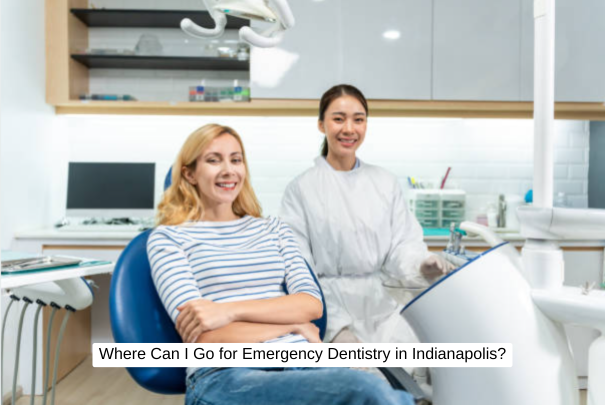
When you’re dealing with a throbbing toothache at 2 AM or your child just knocked out a tooth at their basketball game, the last thing you want to do is frantically search for help. Knowing where to turn for emergency dentistry in Indianapolis before you need it can save precious time and potentially save your tooth.
What Counts as a Dental Emergency?
Not every dental issue requires immediate attention, but some situations definitely can’t wait until Monday morning. A true dental emergency typically involves severe pain, bleeding that won’t stop, or trauma to your teeth or jaw.
Think about it this way: if you’re questioning whether it’s an emergency, ask yourself if waiting could cause permanent damage or if the pain is unbearable. A chipped tooth might feel urgent, but if there’s no pain and no sharp edges cutting your tongue, it can probably wait a day or two. On the other hand, a tooth that’s been completely knocked out needs attention within the hour for the best chance of saving it.
Dental emergencies can include severe toothaches, knocked-out teeth, cracked or broken teeth, dental abscesses, lost fillings or crowns, and injuries to the gums or jaw. The key is understanding which situations require immediate care and which can be managed temporarily at home.
Common Dental Emergencies and First Aid Steps
Let’s talk about the most common dental emergencies Indianapolis residents face and what you can do before getting to the dentist. Remember, these steps are meant to help manage the situation temporarily – they’re not substitutes for professional care.
Knocked-Out Tooth: Time is everything here. “If you can get to a dentist within an hour, there’s a good chance the tooth can be reimplanted successfully.” According to the American Association of Endodontists, teeth that are replanted within 30 minutes have the highest success rate. Pick up the tooth by the crown (the white part), not the root. If it’s dirty, rinse it gently with milk or saline solution – never scrub it or use soap. Try to place it back in the socket if possible, or keep it in milk or between your cheek and gum while you head to the dentist.
Severe Toothache: Rinse your mouth with warm salt water and gently floss around the painful tooth to remove any trapped food. Over-the-counter pain relievers can help, but avoid putting aspirin directly on the tooth or gums – this old remedy can actually burn your tissue. Cold compresses applied to the outside of your cheek can help reduce swelling and numb pain.
Cracked or Broken Tooth: Save any pieces you can find and rinse your mouth with warm water. If there’s bleeding, apply gauze with gentle pressure for about 10 minutes. A cold compress on the outside of your face can help with swelling. Cover any sharp edges with dental wax or sugar-free gum to protect your tongue and cheeks.
Where to Find Emergency Dental Care in Indianapolis
Indianapolis residents have several options for emergency dental care, depending on the time and severity of the situation. SmileCentric East offers same-day emergency appointments because they understand that dental pain doesn’t follow a convenient schedule. Their team prioritizes emergency cases and works to get you comfortable as quickly as possible.
During regular business hours, your first call should be to your regular dentist. Most dental offices in Indianapolis keep time slots open specifically for emergencies. If you don’t have a regular dentist or they can’t see you immediately, urgent care centers throughout Marion County can often provide temporary relief and antibiotics for infections, though they typically can’t perform dental procedures.
For after-hours emergencies, Indianapolis has several options. Some dental practices offer emergency phone lines where you can speak with a dentist who can advise whether you need immediate care or can wait until morning. The emergency rooms at IU Health Methodist Hospital and Community Health Network can help with severe pain, facial trauma, or serious infections, though they’ll likely refer you to a dentist for follow-up care.
What to Expect During an Emergency Dental Visit
Walking into an emergency dental appointment can feel overwhelming, especially when you’re in pain. Here’s what typically happens so you know what to expect.
First, the dental team will assess your situation quickly. They’ll ask about your pain level, what happened, and any medical conditions or medications that might affect treatment. X-rays are usually necessary to see the full extent of the problem – these digital images help the dentist make an accurate diagnosis and create a treatment plan.
The immediate goal is always to relieve your pain and stabilize the situation. This might mean draining an abscess, placing a temporary filling, or prescribing antibiotics and pain medication. Sometimes, comprehensive treatment needs to happen in stages. For example, if you have a severe infection, the dentist might need to get that under control before performing a root canal or extraction.
Your dentist will explain your options clearly, including costs and timelines. Don’t hesitate to ask questions – understanding your treatment helps you make informed decisions about your dental health.
How to Handle Dental Emergencies After Hours
Dental emergencies have terrible timing. They seem to happen right before holidays, during vacations, or in the middle of the night. Having a plan for after-hours emergencies can make a stressful situation more manageable.
Keep your dentist’s emergency contact information saved in your phone. Many Indianapolis dental practices, including SmileCentric East, provide after-hours numbers for existing patients. Call this number first – even if the office is closed, you might reach an on-call dentist who can provide guidance or meet you at the office for severe emergencies.
For pain management at home, alternate between ibuprofen and acetaminophen as directed on the packages. “This combination often works better than either medication alone” according to research published by the American Dental Association. Clove oil, available at most pharmacies, can provide temporary numbing relief when applied to a painful tooth with a cotton swab.
If you can’t reach a dentist and the situation is severe – think uncontrolled bleeding, difficulty swallowing, or facial swelling that affects your breathing – head to the nearest emergency room. While ER doctors can’t fix dental problems, they can prescribe stronger pain medication, antibiotics, and ensure you’re stable until you can see a dentist.
Preventing Future Dental Emergencies
While you can’t prevent every dental emergency, you can significantly reduce your risk with some simple precautions. Regular dental checkups catch problems before they become painful emergencies. That small cavity your dentist spots today won’t turn into an abscess requiring emergency treatment next month.
If you play sports in Indianapolis, from pickup basketball games at the local park to organized leagues, wear a mouthguard. “Custom-fitted mouthguards from your dentist provide the best protection” according to the Academy for Sports Dentistry, but even over-the-counter options are better than nothing. According to Dr. Louis Abukhalaf from SmileCentric East, “We see too many preventable dental injuries from sports. A simple mouthguard can save thousands of dollars in dental work and prevent a lot of pain.”
Watch what you chew – ice, hard candies, and popcorn kernels are common culprits in cracked teeth. If you grind your teeth at night, ask about a nightguard. These habits might seem harmless, but they gradually weaken your teeth, making them more susceptible to breaking during normal activities.

Emergency Dentistry Costs and Payment Options
Let’s address the elephant in the room – emergency dental care can be expensive, especially if you need complex treatment. However, delaying care usually makes things worse and more costly in the long run.
Most dental insurance plans cover emergency visits, though coverage varies for actual procedures. Call your insurance company or check their app to understand your benefits before you need them. Many dental offices in Indianapolis offer payment plans or work with financing companies like CareCredit to help spread costs over time.
Don’t let cost prevent you from seeking emergency care. “Dental infections can spread to other parts of your body and become life-threatening” warns the Mayo Clinic. Most dentists will work with you to find a solution – they want to help you get out of pain and prevent serious complications. Some practices offer membership plans for uninsured patients that include discounts on emergency services.
Frequently Asked Questions
Q: What’s the difference between going to the ER and an emergency dentist in Indianapolis?
A: Emergency rooms can provide pain relief and antibiotics but typically can’t perform dental procedures. An emergency dentist can actually fix the problem, whether that’s repairing a broken tooth or performing a root canal. Save the ER for life-threatening situations or when you can’t access dental care.
Q: How quickly do I need to see a dentist for a knocked-out tooth?
A: The faster, the better – ideally within 30-60 minutes. After two hours, the chances of successfully reimplanting the tooth drop significantly. Call ahead while you’re on your way so the dental team can prepare for your arrival.
Q: Can I go to any dentist for a dental emergency in Indianapolis?
A: Yes, most dentists will see emergency patients even if you’re not a regular patient. However, having an established relationship with a dentist like SmileCentric East means they already have your dental history and X-rays, which can speed up treatment.
Q: What if I have a dental emergency while traveling and can’t get to Indianapolis?
A: Call your regular Indianapolis dentist first – they can often provide guidance and help you find a reputable dentist where you are. Keep prescriptions for any dental-related medications with you when traveling, and consider travel insurance that includes dental coverage.
Q: How much does an emergency dental visit typically cost in Indianapolis?
A: An emergency exam typically ranges from $75-$200, but treatment costs vary widely depending on what’s needed. A simple filling might be $150-$300, while an emergency root canal could be $800-$1,500. Always ask for a treatment estimate before proceeding with non-urgent parts of care.
Q: Should I go to the emergency room for a dental abscess?
A: If you have facial swelling, fever, difficulty swallowing, or trouble breathing, go to the ER immediately. For a localized abscess with manageable pain, try to see an emergency dentist first – they can drain the abscess and start appropriate treatment.


Contact Information:
Smile Centric East
115 N Shortridge Rd Suite 200, Indianapolis, IN 46219, United States
Indianapolis, IN 46219
United States
Dr. Louis Abukhalaf, DDS
https://smilecentriceast.com/