JINAN, SHANDONG, CHINA, March 4, 2026 /EINPresswire.com/ — The global shift toward carbon neutrality has fundamentally transformed the international energy landscape. As nations strive to reduce their reliance on fossil fuels, biomass energy has emerged as a critical component of the renewable energy mix. This transition relies heavily on the ability to convert agricultural and forestry waste into high-density fuel efficiently. Within this context, the demand for a Professional Biomass Pellet Production Line Service has expanded across diverse geographic regions. Engineering firms now play a pivotal role in providing the technology required to process varying raw materials into standardized energy products. This industrial evolution effectively bridges the gap between environmental sustainability and economic necessity by repurposing waste that would otherwise decompose or be discarded.
The Evolution of Biomass Engineering and Global Expansion
The journey of BISON MACHINE, formerly known as the Hualong Machine Factory, illustrates the trajectory of the biomass industry over the last quarter-century. Based in Jinan, Shandong, the company has evolved from a local manufacturing facility into a sophisticated entity specializing in dense forming and biomass energy systems. With over 25 years of experience, the organization integrates scientific research, technological development, and large-scale production.
This deep-rooted expertise has allowed the brand to extend its reach far beyond its domestic borders. Today, the machinery and technical solutions developed by BISON operate across four continents, with each regional strategy meticulously adapted to local market demands.
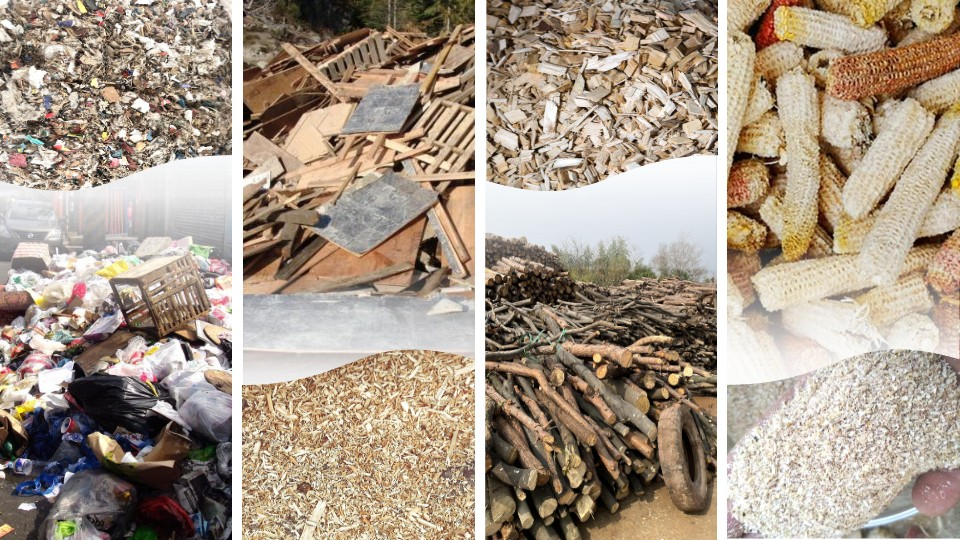
In the European market, where strict carbon-neutral heating regulations prevail, there is a strong preference for clean combustion and stable pellet quality. To process materials like wood chips, sawdust, and forestry residue, BISON provides high-efficiency wood pellet production lines. These systems are defined by low energy consumption and high automation, ensuring a stable output that meets rigorous European energy standards.
Across Southeast Asia, the challenge lies in the sheer diversity of agricultural biomass. While the supply of rice husks, palm fibers, and coconut shells is vast, these materials are often difficult to pellet due to high silica content and varying moisture levels. Consequently, BISON deploys specialized pellet systems equipped with advanced crushing, drying, and conditioning capabilities, specifically engineered to handle high-volume agricultural waste with maximum efficiency.
In Africa, where local communities frequently rely on biomass fuel for cooking and small-scale industrial use, the priority shifts to durability. Utilizing forestry residue and mixed biomass, BISON delivers robust, low-maintenance equipment. These machines are designed for stable operation and reliable fuel production, even when operating under the tougher conditions often found in remote or developing areas.
Finally, in the Americas, the focus is driven by a massive forestry industry and high export demand. Processing timber residue, sawdust, and wood shavings requires industrial-level production characterized by high output and continuous operation. To meet these needs, BISON offers large-capacity industrial pellet lines designed for long running hours and the manufacturing of export-grade pellets.
Each region presents unique challenges that require specific engineering adaptations. For instance, the energy needs in Europe often focus on high-efficiency heating solutions using wood pellets. Conversely, Southeast Asian markets frequently grapple with the disposal of vast quantities of rice husks. By addressing these localized pain points with specialized equipment, BISON MACHINE has established itself as a versatile partner in the global renewable energy sector. The transition from Hualong to the modern BISON brand reflects a commitment to continuous equipment updates and the adoption of advanced technology to meet international standards.
Technical Foundations of High-Performance Pellet Production
The core of any successful biomass project lies in the reliability and efficiency of the pelletizing equipment. The Wood Pellet Machine represents the primary engine of this process. Modern biomass systems prioritize high-pressure stability to ensure that the resulting pellets maintain a consistent density and caloric value. Engineers utilize vertical ring die technology to address the specific physical properties of biomass materials, which often exhibit low bulk density and poor fluidity. This design allows the material to feed evenly into the compression chamber, where centrifugal force distributes it across the inner surface of the die.
Durability serves as another cornerstone of professional-grade machinery. The use of high-quality alloy steel in the construction of molds and rollers extends the service life of critical components. This material choice is particularly important when processing abrasive feedstocks or operating in high-output environments. Advanced heat treatment processes further enhance the wear resistance of these parts. Consequently, operators experience less downtime and lower maintenance costs over the lifecycle of the production line. Automated control systems, often utilizing PLC interfaces, allow for precise monitoring of temperature, pressure, and lubrication, ensuring that the machine operates within its optimal parameters.
The high-quality pellets produced are optimized for efficient combustion in various industrial and commercial applications. By ensuring high thermal conversion rates and low emissions, these pellets serve as a superior alternative to fossil fuels for steam boilers and thermal power plants, creating a sustainable energy loop for global users.
Industrial Scale Success: The 200,000-Ton Production Line
The capability to deliver large-scale industrial projects distinguishes a standard equipment supplier from a comprehensive service provider. A notable example of this capacity is the implementation of a 200,000-ton biomass pellet production line. Scaling to this magnitude requires meticulous planning and a deep understanding of material logistics. At this volume, the system must handle massive quantities of raw timber or wood waste while maintaining consistent quality. The production line integrates multiple high-capacity pellet mills working in synchronization to meet the annual output target.
System integration plays a vital role in such large-scale operations. Beyond the pellet machines themselves, the line includes sophisticated drying systems, hammer mills for size reduction, wood chipper, and automated packaging units. Efficient drying is particularly crucial, as excess moisture can compromise the structural integrity of the pellets and reduce their heating value. Therefore, the production line utilizes rotary dryers that precisely control the moisture content of the feedstock. This industrial-scale success demonstrates the reliability of the machinery under continuous, heavy-duty operation. It also reflects the ability to manage complex installation and commissioning processes for international clients who require guaranteed performance levels.
Solving Regional Challenges through Customized Rice Husk Lines
Different geographic regions require specialized solutions based on available raw materials. Rice husks represent one of the most challenging feedstocks due to their high silica content and low energy density. In Southeast Asia, where rice production is a primary economic activity, disposing of these husks often creates environmental burdens. BISON MACHINE addressed this specific need by developing customized rice husk pellet production lines. These systems feature modified compression ratios and specialized die designs to handle the abrasive nature of the husk. By providing a viable way to turn agricultural waste into a marketable fuel product, these customized lines support circular economies in agricultural regions.
Standard wood pellet machines often struggle with the rapid wear caused by the silica in rice husks. Consequently, the engineering team developed specific metallurgical formulas for the rollers and dies to resist this abrasion. Furthermore, the light weight of the husks necessitates a specialized feeding mechanism to prevent clogging and ensure a steady flow into the pelletizing chamber. By providing a viable way to turn agricultural waste into a marketable fuel product, these customized lines support circular economies in agricultural regions. This adaptability confirms the importance of technical research and development in expanding a global footprint.
Sustainable Development and the Future of Biomass Energy
The expansion of biomass technology across four continents contributes significantly to global sustainable development. By converting renewable organic matter into fuel, these production lines reduce the carbon footprint associated with energy generation. Each ton of biomass pellets used in place of fossil fuels represents a measurable reduction in greenhouse gas emissions. Moreover, the industry creates economic value from waste products, providing new revenue streams for forestry and agricultural sectors. The role of “China Intelligence” in this field involves not just the export of hardware, but the sharing of technical expertise and sustainable practices.
Looking forward, the integration of smarter technologies will likely define the next generation of biomass systems. Remote monitoring and diagnostic tools allow engineers to support clients thousands of miles away, ensuring that production lines remain operational. This level of service builds trust and reinforces the reputation of the provider as a long-term partner rather than a one-time vendor. As global energy policies continue to favor renewable sources, the expertise refined over 25 years in Jinan will remain a vital asset for the international community.
The success of a global biomass service provider depends on the balance between high-quality manufacturing and responsive technical support. From the dense forming of wood pellets to the clean combustion of biomass fuel, every step of the process must meet rigorous standards. By focusing on durability, efficiency, and customization, BISON MACHINE continues to drive the success of users in the biomass energy industry worldwide. This commitment to excellence ensures that the brand remains a leader in the transition toward a greener, more sustainable future across every continent it serves.
For more information on biomass energy solutions and technical specifications, please visit: https://www.bisonpelletmachine.com/.
SHANDONG BISON MACHINE CO., LTD.
SHANDONG BISON MACHINE CO., LTD.
+ +86 18764198336
inquiry@sdbison.cn
Visit us on social media:
Instagram
YouTube
TikTok
Legal Disclaimer:
EIN Presswire provides this news content “as is” without warranty of any kind. We do not accept any responsibility or liability
for the accuracy, content, images, videos, licenses, completeness, legality, or reliability of the information contained in this
article. If you have any complaints or copyright issues related to this article, kindly contact the author above.