Key Takeaways
- Biodynamic farming views the entire farm as a living organism, integrating cosmic rhythms and seasonal cycles beyond organic standards
- Demeter certification requires closed-loop systems with 10% biodiversity reserves, making biodynamic farms more ecologically complete than organic operations
- Olive trees particularly benefit from biodynamic methods, producing oils with enhanced flavour profiles and higher antioxidant content
- Central Portugal offers authentic biodynamic farm experiences where visitors can witness these principles in action
Biodynamic Farming Treats Farms as Living Organisms
Biodynamic farming represents an approach that transcends conventional agricultural thinking. Rather than viewing farms as production units, this holistic method treats each farm as a self-sustaining organism where soil, plants, animals, and cosmic cycles work in seamless harmony.
The philosophy centres on achieving complete ecological balance through regenerative practices that give back more than they take. Quinta da Portela’s biodynamic approach exemplifies this principle, demonstrating how farms can operate as closed-loop ecosystems that enhance rather than deplete their environment.
This organism-based thinking fundamentally differs from industrial agriculture’s linear approach. Every element within the farm system serves multiple purposes: livestock provides manure for compost, diverse plantings create natural pest control, and seasonal rhythms guide all agricultural decisions.
Key Differences from Organic Standards
Cosmic Rhythms Guide Planting and Harvesting
While organic farming avoids synthetic chemicals, biodynamic agriculture adds another dimension by incorporating astronomical calendars into farming decisions. Practitioners plant, cultivate, and harvest according to lunar phases and planetary movements, believing these cosmic influences optimise plant development and soil vitality.
This cosmic timing extends beyond folklore—many biodynamic farmers report improved crop quality and yields when working with these natural rhythms. The practice acknowledges that Earth operates within larger celestial systems that influence biological processes.
Specialised Preparations Enhance Soil Vitality
Biodynamic farms employ unique “preparations” made from herbs, minerals, and animal manures to enhance soil fertility. These homeopathic-style treatments, stirred in specific patterns and applied in minute quantities, aim to stimulate microbial activity and improve nutrient availability.
The nine standard preparations include cow horn manure (500) and cow horn silica (501), which farmers bury in cow horns during specific seasons. When applied to soil and plants, these preparations reportedly increase humus formation and strengthen plant immune systems.
Demeter Certification Requires Closed-Loop Systems
Demeter certification sets the highest standard for biodynamic agriculture, demanding that farms operate as completely self-sufficient organisms. Unlike organic certification, which focuses primarily on input restrictions, Demeter requires integrated livestock, on-farm composting, and dedication of at least 10% of farmland to biodiversity reserves.
This certification ensures farms maintain genetic diversity, provide wildlife habitats, and create buffer zones that support ecosystem health. The closed-loop requirement means farms must produce their own fertility through composting and animal integration rather than purchasing external inputs.
Seasonal Balance in Agricultural Practices
Working with Natural Cycles
Biodynamic farming aligns all activities with seasonal rhythms, recognising that different times of year support different agricultural functions. Spring focuses on plant growth and soil awakening, summer emphasises flowering and fruit development, autumn centres on harvest and seed production, whilst winter allows for rest and planning.
These seasonal considerations extend to soil preparation, composting schedules, and even when to prune trees. Biodynamic farmers integrate observations of natural indicators like bird migration patterns, plant phenology, and weather cycles within the framework of cosmic timing to guide their interventions.
Biodiversity Reserves Support Ecosystem Health
The mandatory biodiversity reserves in biodynamic systems serve as ecological anchors that support the entire farm organism. These areas provide habitat for beneficial insects, birds, and small mammals that contribute to natural pest control and pollination services.
Wild areas also act as genetic reservoirs, maintaining native plant varieties and creating corridors for wildlife movement. This biodiversity directly benefits agricultural areas by maintaining ecological balance and reducing the need for external interventions.
Why Olive Trees Align with Biodynamic Methods
Permanent Crops Reduce Soil Disturbance
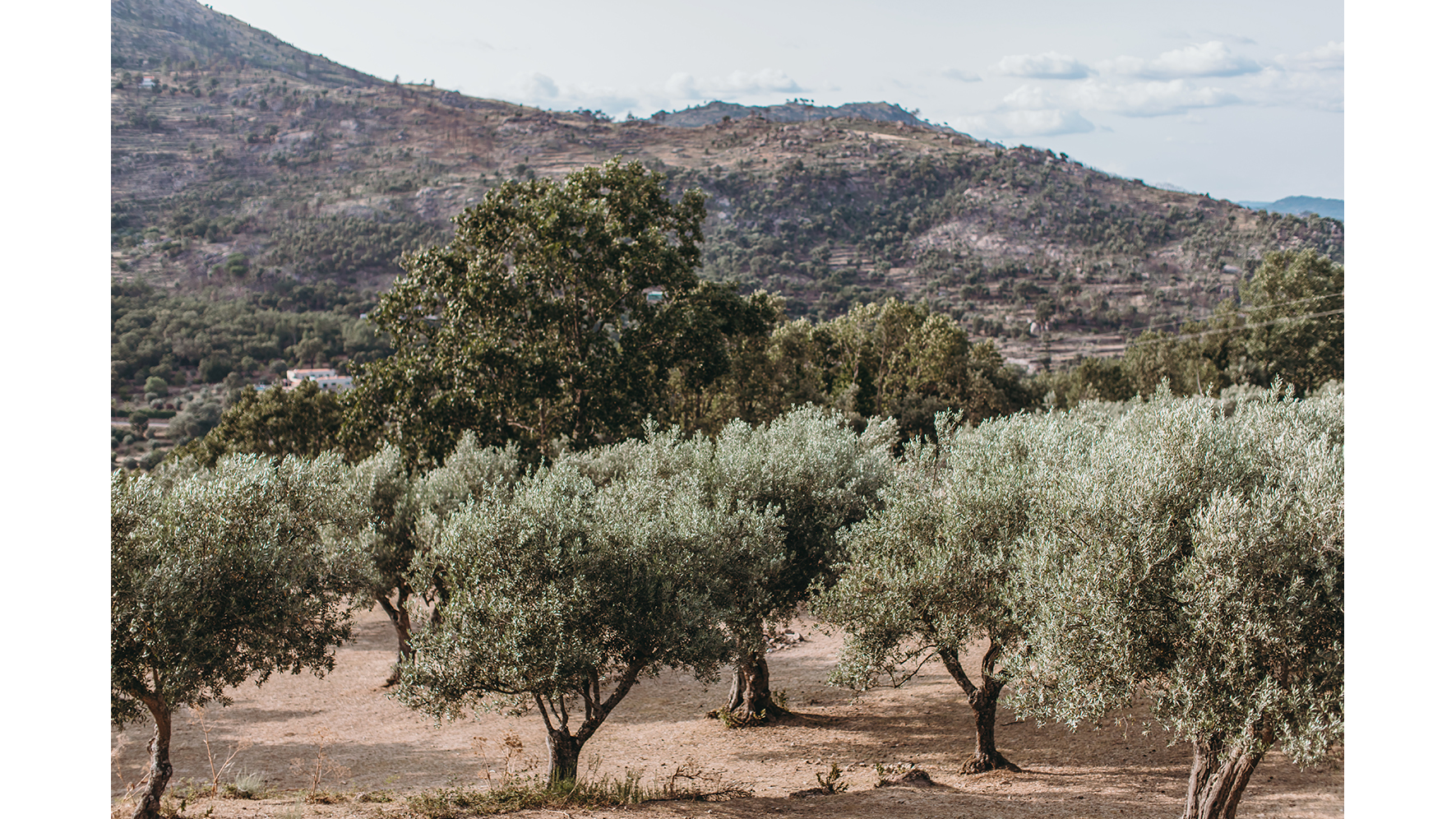
Olive trees perfectly complement biodynamic principles as permanent crops that require minimal soil disturbance once established. Their extensive root systems build soil structure over decades, creating stable growing environments that support the farm organism’s long-term health.
The trees’ drought resistance also aligns with biodynamic water conservation principles. Their deep roots access groundwater reserves whilst their silvery leaves reflect heat, creating beneficial microclimates for understory plants and soil organisms.
Biodynamic Methods Can Enhance Flavour and Nutritional Compounds
Biodynamic olive oil often exhibits superior flavour complexity and higher levels of beneficial compounds like polyphenols and antioxidants. The holistic farming methods, combined with optimal timing for harvest and processing, concentrate these health-promoting substances.
The enhanced soil vitality from biodynamic preparations appears to translate into more nutrient-dense crops. Olive trees grown biodynamically often produce oils with distinctive terroir characteristics that reflect their specific growing environment and seasonal conditions.
Environmental Benefits Beyond Organic
Carbon Sequestration Through Humus Building
Biodynamic agriculture excels at building carbon-rich humus in soil, effectively sequestering atmospheric carbon dioxide. The intensive composting practices and diverse plant rotations create stable organic matter that can store carbon for decades.
This humus formation improves soil water retention, nutrient cycling, and biological activity. The regenerative nature of biodynamic farming means these systems actively contribute to climate change mitigation whilst producing food.
Livestock Integration for Nutrient Cycling
The mandatory integration of livestock in biodynamic systems creates efficient nutrient cycling that eliminates waste streams. Animals convert plant materials into valuable manure, which becomes the foundation for compost that feeds soil organisms.
This integration also provides natural management through grazing, which can improve grassland biodiversity and prevent soil erosion. The animals become partners in maintaining the farm organism’s health rather than separate enterprises.
Natural Pest Control Through Biodiversity
The extensive biodiversity required in biodynamic systems creates natural pest control networks that reduce or eliminate the need for interventions. Beneficial predators, parasitoids, and disease-suppressing microorganisms maintain ecological balance naturally.
This biological pest control proves more sustainable and cost-effective than external treatments. The diverse habitats support complete food webs that self-regulate pest populations whilst maintaining beneficial species that support crop production.
Central Portugal Supports Biodynamic Farm Experiences
Central Portugal’s Mediterranean climate, diverse ecosystems, and agricultural heritage support biodynamic agriculture. The region’s farms offer visitors authentic experiences that demonstrate these principles in action, from olive oil production to seasonal farming activities.
Rural tourism opportunities allow conscious travellers to witness biodynamic methods firsthand, participating in harvest activities, learning about cosmic timing, and tasting products that reflect terroir and seasonal influences. These experiences provide deeper understanding of sustainable agriculture whilst supporting local farming communities.
Visit Quinta da Portela , Special Farmstay Faia-Guarda Portugal , to experience authentic biodynamic farming practices and learn how seasonal balance principles create exceptional olive oil in Central Portugal’s stunning countryside.
Special Farmstay Faia-Guarda, Quinta da Portela
welcome@quintaportela.com
Quinta da Portela 1
Faia-Guarda
Mondego Valley
6300-095
Portugal
